

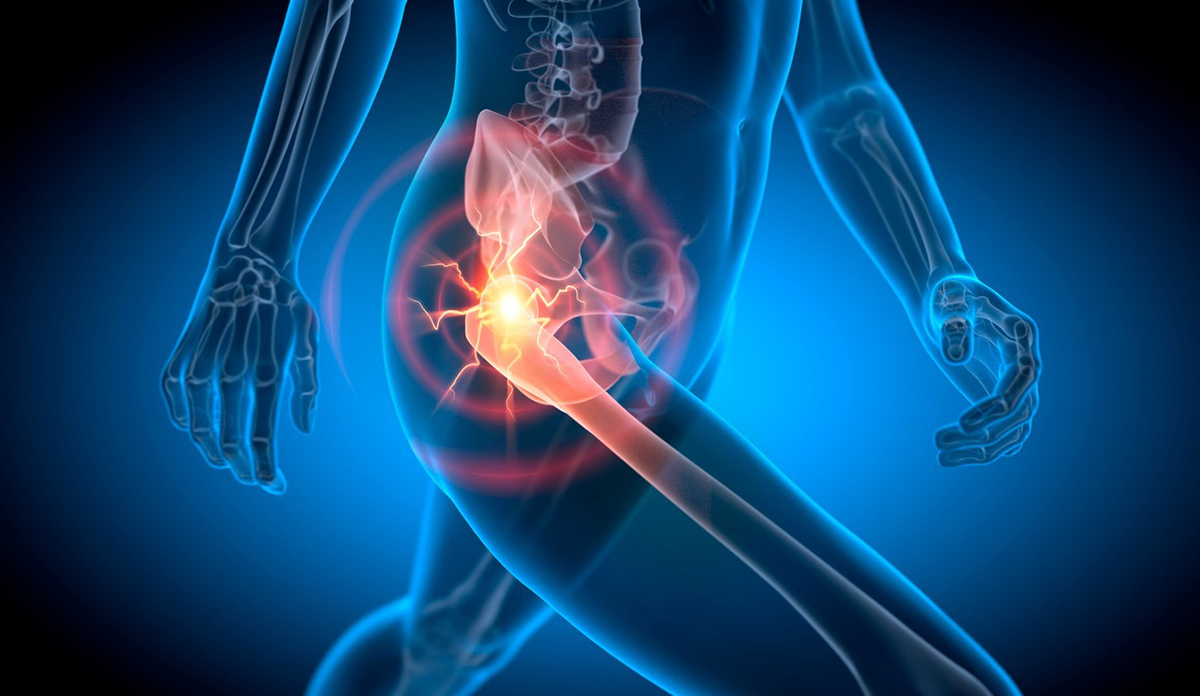
Hip pain is one of those conditions that has a way of sneaking up on you. One day you're brushing it off as a little stiffness in your hip, and a few weeks later, you're rearranging your entire day around it. Skipping the stairs, avoiding long drives, lying awake at night because no position feels comfortable.
Southfield and the surrounding Metro Detroit area are home to a large and active adult population, many of whom quietly endure hip pain for months or even years before seeking care. The reasons vary and include fear of surgery, uncertainty about when the pain is "bad enough," or simply not knowing where to turn. This guide is designed to change that. Understanding what causes hip pain, how to recognize when it warrants professional attention, and what advanced treatment options are available can make all the difference in getting your life back.
What's Actually Causing Your Hip Pain?
Hip pain is rarely a single, simple diagnosis. The hip is a complex ball-and-socket joint that bears enormous stress with nearly every movement you make, and there are several distinct conditions that can cause it to break down or become painful. Identifying the specific cause is essential, because each one requires a different treatment approach.
Osteoarthritis is the most common culprit, particularly in adults over 50. It occurs when the cartilage cushioning the hip joint gradually wears down, leaving bone to rub against bone. The result is deep, aching pain in the groin, thigh, or buttock that tends to worsen with activity and ease with rest, until the condition progresses further.
Hip Impingement (Femoroacetabular Impingement, or FAI) occurs when abnormal contact between the ball and socket of the hip joint causes friction and damage over time. It's especially common in younger, active adults and athletes, and is a leading cause of labral tears if left untreated.
Labral Tears involve damage to the ring of cartilage (the labrum) that lines the rim of the hip socket. Symptoms often include a sharp, catching pain deep in the groin, reduced range of motion, and a sense of the hip locking or clicking.
Bursitis is inflammation of the small fluid-filled sacs (bursae) that cushion the hip joint. Trochanteric bursitis, the most common form, causes pain and tenderness on the outer side of the hip that can radiate down the thigh.
Avascular Necrosis (AVN) is a more serious condition in which the blood supply to the femoral head is disrupted, causing the bone tissue to die. Without treatment, AVN can lead to the collapse of the hip joint and severe arthritis.
Hip Fractures are most common in older adults, particularly following a fall, and require prompt medical attention. Even stress fractures, small cracks in the bone from overuse, can cause significant, activity-limiting pain.
The challenge is that many of these conditions can feel deceptively similar. A thorough evaluation by a fellowship-trained hip specialist is the only reliable way to know exactly what you're dealing with, and to build a treatment plan that actually addresses it.
Recognizing the Symptoms That Shouldn't Be Ignored
Not all hip discomfort requires urgent attention. But there are specific symptoms that signal something more significant is going on, and that waiting could allow the problem to progress.
See a hip specialist if you're experiencing:
- Pain in the groin, outer hip, thigh, or buttock that has persisted for more than a few weeks
- Hip stiffness that makes everyday tasks, such as putting on shoes, getting in and out of a car, climbing stairs, difficult or painful
- A noticeable limp, or a change in the way you walk
- Pain that wakes you up at night or is present even at rest
- A catching, clicking, or locking sensation in the hip joint
- Reduced range of motion that limits your ability to rotate or extend your leg
- Hip pain that hasn't improved with rest, ice, or over-the-counter medication
One pattern that often gets overlooked: hip pain that seems to be "manageable" but slowly chips away at your activity level, your sleep, and your enjoyment of daily life. That gradual erosion of quality of life is just as valid a reason to seek care as acute, severe pain.
The Ripple Effect: Why Hip Pain Affects More Than Just Your Hip
When your hip hurts, your body compensates. You shift your weight, adjust your gait, favor one side over the other. This is natural. It's your nervous system trying to protect you. But over time, those compensatory patterns put abnormal stress on your knees, lower back, and ankles, creating a cascade of secondary problems that can be just as limiting as the original hip pain.
Addressing hip pain early, before those patterns become deeply ingrained, is one of the most important things you can do for your long-term musculoskeletal health. A specialist doesn't look at your hip in isolation. They consider how your hip function affects your whole body, your posture, your movement, and your overall quality of life.
Advanced Treatment Options Available
The good news is that hip pain treatment has never been more sophisticated. Whether your condition calls for a conservative, non-surgical approach or an advanced surgical procedure, today's options are designed to get you back to the life you want with less pain, less downtime, and better long-term outcomes.
Non-Surgical Approaches
Surgery is not the starting point. It's usually the last resort. Most patients with hip pain benefit enormously from conservative treatments, which should always be explored first.
Physical Therapy is often the foundation of non-surgical hip care. A structured, individualized program can improve range of motion, strengthen the muscles that support the hip joint, reduce pain, and restore function. For many patients, a well-designed physical therapy program produces lasting relief without any further intervention.
Anti-Inflammatory Medications can reduce pain and swelling, particularly during acute flare-ups, and are often used in combination with other conservative treatments.
Corticosteroid Injections deliver targeted anti-inflammatory medication directly into the hip joint, providing meaningful and often rapid relief from pain and swelling. They are particularly effective for bursitis, synovitis, and arthritis-related flare-ups.
Viscosupplementation (Hyaluronic Acid Injections) replenishes the natural lubricating fluid in the hip joint, reducing friction and pain in patients whose cartilage has begun to thin. This treatment can provide relief for months at a time, helping patients stay active and delay or avoid surgical intervention.
Activity Modification and Bracing can give the hip joint the recovery environment it needs. A specialist will help you identify which activities are aggravating your condition and suggest strategic modifications, not a complete stop to activity, but a smarter approach to staying mobile while your hip heals.
When Surgery Is the Right Path
There are times when non-surgical treatment, as effective as it can be, isn't enough. Advanced joint degeneration, structural problems that can't be corrected without intervention, or symptoms that significantly and persistently limit your quality of life may all indicate that surgery is the most appropriate next step. A skilled specialist will be honest with you about when that threshold has been reached, and will make sure you understand exactly why.
Direct Anterior Hip Replacement is a minimally invasive approach that allows the surgeon to access the hip joint from the front of the body, working between the muscles rather than cutting through them. This muscle-sparing technique typically results in less post-operative pain, a lower risk of dislocation, fewer activity restrictions during recovery, and a significantly faster return to normal life compared to traditional posterior approaches.
MAKO Robotic-Assisted Hip Replacement takes precision a step further. Using advanced imaging and real-time data, the MAKO system creates a fully personalized surgical plan based on your unique anatomy before the procedure even begins. During surgery, it guides implant placement with a level of precision that would be extremely difficult to achieve manually resulting in better alignment, a more natural joint feel, and improved long-term outcomes. This isn't a one-size-fits-all operation. It's orthopedic care designed specifically for you.
Hip Pain Treatment FAQs
Q: What are the most common causes of hip pain in adults in the Southfield area?
A: The most frequent causes include osteoarthritis, hip impingement (FAI), labral tears, bursitis, and avascular necrosis. Because these conditions can present with similar symptoms, an accurate diagnosis from a fellowship-trained specialist is essential before beginning any treatment. Dr. Sobh uses a thorough physical examination and imaging studies to identify the root cause and develop the most effective care plan.
Q: How do I know if my hip pain is serious enough to see a specialist?
A: If your hip pain has persisted for more than a few weeks, is interfering with sleep or daily activities, comes with stiffness or a reduced range of motion, or hasn't improved with rest and over-the-counter medications, it's time to schedule a professional evaluation. Earlier diagnosis leads to more effective treatment and a better long-term outcome.
Q: Will I definitely need surgery if I see a hip surgeon?
A: Not at all. The majority of patients who visit Dr. Sobh explore non-surgical options first, including physical therapy, injections, and activity modification. Surgery is recommended only when conservative treatments have been exhausted or when the specific nature of the condition makes surgical intervention clearly the best path to recovery.
Q: What is the direct anterior hip replacement approach, and why does it matter?
A: The direct anterior approach allows Dr. Sobh to access the hip joint from the front of the body without detaching or cutting through any muscles. This muscle-sparing technique generally results in less post-operative pain, a lower risk of dislocation, fewer movement restrictions during recovery, and a faster return to normal activities, which are significant advantages over traditional approaches.
Q: What is the MAKO robotic system and how does it improve outcomes?
A: The MAKO system uses advanced 3D imaging to build a personalized surgical plan before the procedure begins, based entirely on your anatomy. During surgery, it provides real-time guidance for precise implant placement that would be difficult to achieve by hand alone. The result is better alignment, a more natural-feeling joint, and improved long-term durability.
Q: How long does recovery from hip replacement typically take?
A: Most patients are walking with assistance on the same day or the day after surgery. Many return to light daily activities within 2 to 6 weeks. Full recovery, including a return to exercise and more demanding activities, typically takes 3 to 6 months. Dr. Sobh and his team will create a detailed, individualized recovery plan tailored to your procedure and personal goals.
Don't Wait for the Pain to Get Worse
Hip pain is not simply a consequence of getting older, and it's not something you have to manage on your own. With the right diagnosis and the right care, meaningful relief is possible and the earlier you seek it, the more options you'll have.
Call (833) 667-3627 to schedule your consultation today.
About Dr. Ali H. Sobh, M.D. Dr. Sobh is a board-certified, fellowship-trained orthopedic surgeon specializing in minimally invasive hip and knee replacement, serving patients in Southfield, Royal Oak, Troy, and Detroit, Michigan. He completed his fellowship training in adult reconstructive orthopedic surgery at Rush University Medical Center and earned his medical degree from Wayne State University School of Medicine with high honors. Dr. Sobh is dedicated to delivering world-class orthopedic care with a personal, family-centered approach.
Disclaimer
The information provided on this page is intended for educational purposes only and should not be considered medical advice. Always seek the guidance of a qualified physician regarding any medical condition or treatment.