


Whether you twisted your knee on the basketball court, felt a pop during a weekend run, or noticed swelling after a tough soccer match, a knee sports injury has a way of stopping you in your tracks. And when the pain doesn't go away on its own, the instinct is often to brace yourself for bad news: a long recovery, maybe even surgery.
Here's the good news: many knee sports injuries don't require surgery at all. With the right evaluation and a personalized non-surgical treatment plan, a large number of patients are able to return to full activity, without ever stepping into an operating room. Here's how an experienced knee specialist approaches sports injuries conservatively, and when that approach makes the most sense for you.
It Starts with an Accurate, Thorough Evaluation
The most important step in treating any knee injury is understanding exactly what you're dealing with. The knee is a complex joint, and sports injuries can range from ligament sprains and meniscus tears to tendinitis, bursitis, and patellar tracking problems, conditions that may look and feel similar but respond to very different treatments.
A fellowship-trained orthopedic surgeon brings a depth of diagnostic experience that goes beyond a general practitioner. By combining a thorough physical examination with imaging when needed, they can pinpoint the source of your pain accurately, which is the foundation for any effective treatment plan, surgical or not.
Physical Therapy: The Cornerstone of Non-Surgical Knee Care
For many knee sports injuries, a structured physical therapy program is the single most effective treatment available, and it doesn't involve a single incision. Physical therapy works by improving movement, relieving pain, encouraging blood flow for faster healing, and restoring your strength and function to pre-injury levels.
A good physical therapy plan isn't generic. It's tailored to your specific injury, your activity level, and your recovery goals. It typically combines therapeutic exercises, manual therapy, and modalities like heat, cold, electrical stimulation, or ultrasound, all designed to get you moving better and hurting less as efficiently as possible.
For conditions like patellar tendinitis, IT band syndrome, mild meniscus irritation, and ligament sprains, a well-designed physical therapy program often produces complete, or near-complete, resolution of symptoms without any further intervention.
Injections That Reduce Pain and Promote Healing
When pain and inflammation are significant enough to interfere with daily activity or make physical therapy difficult, targeted injections can be a highly effective bridge. There are a few different approaches, depending on what your knee needs
Corticosteroid injections deliver anti-inflammatory medication directly into the knee joint, providing fast and meaningful relief from pain and swelling. They are particularly useful for bursitis, synovitis, and arthritis flare-ups related to sports activity.
Viscosupplementation (hyaluronic acid injections) replenishes the natural lubricating fluid in the knee joint, reducing friction and pain, particularly in patients whose knee cartilage has thinned over time. This treatment can provide relief for six months to a year or longer, helping active patients stay mobile without resorting to surgery.
These injections are not a permanent fix, but they can be remarkably effective tools for managing symptoms while the underlying injury heals, or as a long-term strategy for patients who are not candidates for surgery or prefer to delay it.
Activity Modification and Bracing
Sometimes the most important part of recovery is giving your knee the right environment to heal. Your surgeon may recommend temporary activity modifications, scaling back certain movements or exercises that are aggravating the injury, combined with a supportive brace that protects the joint and reduces strain on vulnerable structures.
This isn't about telling you to stop being active, it's about being strategic. Many athletes are surprised to learn that they can continue training at a modified level during recovery, which helps maintain fitness and momentum while their knee heals.
When Is Surgery Actually Necessary?
Non-surgical treatment is always the starting point, but there are situations where surgery is genuinely the best path to recovery. Complete ACL or ligament tears in high-demand athletes, large or locked meniscus tears, and advanced joint degeneration that no longer responds to conservative care are conditions where surgical intervention tends to produce the best long-term outcomes.
When surgery is recommended, Dr. Sobh's expertise in minimally invasive techniques, including robotic-assisted knee replacement using the MAKO system, means that even surgical patients benefit from smaller incisions, less tissue disruption, and faster recoveries than traditional approaches. The MAKO system creates a personalized surgical plan based on each patient's unique anatomy, resulting in more precise implant placement and better long-term alignment.
The key is having a specialist who will be honest with you about which path is right for your specific injury, and who has the expertise to deliver excellent outcomes either way.
Common Knee Sports Injuries Treated Non-Surgically
Many of the most common sports-related knee conditions can be successfully managed without surgery, including:
- Mild to moderate ACL and MCL sprains
- Minor meniscus tears (particularly in the outer, blood-supplied zone)
- Patellar tendinitis (jumper's knee)
- IT band syndrome
- Knee bursitis
- Patellofemoral pain syndrome (runner's knee)
- Early-stage knee arthritis aggravated by sports activity
If you're dealing with any of these conditions and have been wondering whether surgery is inevitable, the answer is often no, but you won't know for sure until you get a proper evaluation.
Knee Sports Injuries FAQs:
Q: How do I know if my knee injury needs surgery or can be treated without it?
A: Not all knee injuries require surgery. Many conditions, including ligament sprains, minor meniscus tears, and tendinitis, respond well to physical therapy, injections, and activity modification. The best way to know for certain is to schedule an evaluation with a fellowship-trained knee specialist who can assess your injury and walk you through all your options.
Q: How long does non-surgical knee treatment typically take?
A: Recovery timelines vary depending on the injury and severity. Many patients see significant improvement within 6 to 12 weeks of starting a structured physical therapy program. Injections can provide relief within days to weeks. Your surgeon will give you a realistic timeline based on your specific diagnosis and goals.
Q: Can I keep exercising while recovering from a knee sports injury?
A: In many cases, yes, with modifications. Your care team may recommend switching to lower-impact activities while your knee heals, rather than stopping exercise altogether. Staying active in a controlled way can actually support recovery and help maintain strength and mobility.
Q: What is viscosupplementation and is it right for me?
A: Viscosupplementation involves injecting hyaluronic acid directly into the knee joint to restore lubrication and reduce pain, particularly useful for patients with cartilage thinning or early arthritis. It's a good option for patients who haven't found enough relief from other conservative treatments and want to avoid or delay surgery.
Q: When should I see Dr. Sobh instead of waiting to see if my knee gets better on its own?
A: If your knee pain has lasted more than a few weeks, is interfering with daily activities or sleep, comes with significant swelling or a popping sensation, or isn't improving with rest and over-the-counter pain relief, it's time to get a professional evaluation. Early diagnosis leads to faster, more effective treatment.
Get Back in the Game Without Going Under the Knife
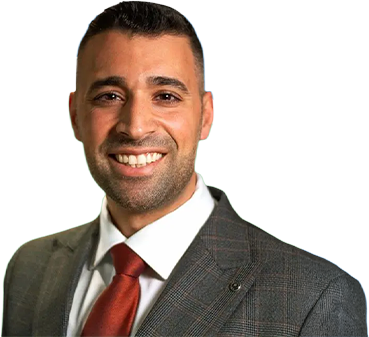
Dr. Ali H. Sobh, M.D. is a board-certified, fellowship-trained orthopedic surgeon specializing in minimally invasive hip and knee care, serving patients in Royal Oak, Southfield, Troy, and Detroit, Michigan. Trained at the world-renowned Rush University Medical Center, Dr. Sobh takes a conservative, patient-first approach, exploring every non-surgical option before recommending any procedure, and tailoring every treatment plan to the individual in front of him.
Whether you're a competitive athlete or simply someone who wants to stay active and pain-free, Dr. Sobh and his team are committed to helping you recover fully, on your terms.
Call (833) 667-3627 to schedule your consultation today.
Your knee deserves expert care, and surgery isn't always part of the story.
About the Author
Dr. Ali H. Sobh, M.D. is a board-certified, fellowship-trained orthopedic surgeon specializing in minimally invasive hip and knee replacement, serving patients in Southfield, Royal Oak, Troy, and Detroit, Michigan. He completed his fellowship training in adult reconstructive orthopedic surgery at Rush University Medical Center and earned his medical degree from Wayne State University School of Medicine with high honors. Dr. Sobh is dedicated to delivering world-class orthopedic care with a personal, family-centered approach.
Disclaimer
The information provided on this page is intended for educational purposes only and should not be considered medical advice. Always seek the guidance of a qualified physician regarding any medical condition or treatment.