

Living with persistent hip pain can make even the simplest daily activities feel challenging. Whether it is walking, climbing stairs, or enjoying time with family, chronic discomfort often limits mobility and independence. When conservative treatments no longer provide lasting relief, total hip replacement may become an appropriate option. Understanding what happens before, during, and after surgery can help you feel more prepared and confident throughout the entire treatment journey.
When Is Total Hip Replacement Recommended?
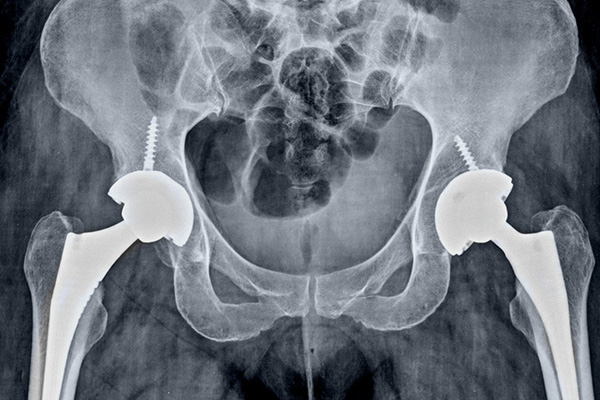
Total hip replacement is commonly recommended for individuals with severe hip joint damage that significantly affects their quality of life. The procedure involves replacing the damaged portions of the hip joint with artificial components designed to restore smoother movement and reduce pain.
Patients may be considered for surgery if they experience:
- Persistent hip pain despite medications, physical therapy, or injections
- Difficulty walking or standing for extended periods
- Pain that interferes with sleep
- Limited range of motion and joint stiffness
- Advanced osteoarthritis or other forms of joint degeneration
An orthopedic surgeon specializing in adult hip reconstruction carefully evaluates each patient's symptoms, imaging studies, overall health, and lifestyle goals before recommending surgery. Whenever possible, non-surgical treatments are explored first to determine whether they can effectively relieve symptoms.
Steps to Take Before Your Hip Replacement Procedure
Proper preparation helps improve recovery and reduces the likelihood of complications. Before surgery, patients undergo a comprehensive evaluation that may include physical examinations, imaging, blood tests, and a review of their medical history.
Your orthopedic team may recommend:
- Completing a preoperative medical evaluation
- Performing strengthening exercises before surgery
- Managing chronic health conditions such as diabetes or high blood pressure
- Temporarily adjusting certain medications
- Preparing your home by removing tripping hazards and arranging frequently used items within easy reach
Patients undergoing minimally invasive or direct anterior hip replacement may also receive education about what to expect during recovery, including mobility milestones and rehabilitation plans.
Inside the Hip Replacement Procedure
During total hip replacement, the surgeon removes the damaged cartilage and bone from the hip joint and replaces them with specially designed implants. Modern surgical techniques focus on restoring proper joint alignment while preserving as much healthy tissue as possible.
Many orthopedic specialists now perform minimally invasive hip replacement using muscle-sparing approaches, including the direct anterior approach when appropriate. In selected patients, robotic-assisted technology can further enhance surgical planning by creating a personalized three-dimensional model of the joint, allowing for precise implant positioning based on individual anatomy.
The choice of surgical technique depends on factors such as the patient's anatomy, bone quality, overall health, and specific diagnosis.
Returning to Daily Life After Hip Surgery
Recovery begins shortly after surgery, with many patients standing and walking with assistance on the same day or the following day. Early movement promotes circulation, reduces stiffness, and supports healing.
Recovery typically includes:
- Guided physical therapy exercises
- Gradual return to walking and daily activities
- Pain management using a personalized treatment plan
- Follow-up appointments to monitor healing and implant function
Most patients continue improving over several months as strength and mobility gradually return. While recovery timelines vary, many individuals notice significant improvements in pain relief and function compared to their condition before surgery.
Following postoperative instructions, participating in rehabilitation, and maintaining a healthy weight all contribute to long-term success.
Long-Term Benefits of Total Hip Replacement
For many individuals with advanced hip arthritis, total hip replacement offers meaningful improvements in both mobility and quality of life.
Potential long-term benefits include:
- Reduced or eliminated chronic hip pain
- Improved walking ability
- Greater independence during daily activities
- Increased joint stability
- Better participation in recreational activities
- Enhanced overall quality of life
Although artificial joints are designed to be durable, maintaining regular follow-up visits and protecting the joint from excessive stress can help maximize implant longevity.
Frequently Asked Questions
How long does it take to recover from total hip replacement?
Many patients resume light daily activities within several weeks, while full recovery often takes several months. Individual recovery depends on overall health, rehabilitation participation, and the surgical technique used.
Is total hip replacement painful?
Some discomfort is expected immediately after surgery, but modern pain management strategies help control postoperative pain. Most patients report that the arthritis pain they experienced before surgery improves significantly.
Can I walk immediately after hip replacement?
Yes. Many patients begin standing and walking with assistance within a day after surgery. Early movement is an important part of recovery and helps reduce complications.
How long do hip replacement implants last?
Modern hip implants often last 15 to 20 years or longer. Longevity depends on factors such as activity level, body weight, implant type, and overall joint health.
Who is a good candidate for minimally invasive hip replacement?
Candidates typically have significant hip pain from arthritis or joint damage that has not improved with conservative treatment. An orthopedic surgeon evaluates each patient individually to determine whether minimally invasive or robotic-assisted techniques are appropriate.
Moving Toward Better Hip Health
Living with chronic hip pain does not have to become your new normal. Understanding the total hip replacement process can make treatment decisions less overwhelming and recovery expectations more realistic. If hip pain continues to limit your mobility despite conservative care, consulting a fellowship-trained orthopedic surgeon specializing in hip reconstruction can help you explore the treatment options best suited to your individual needs.
About the Author
Ali H. Sobh, M.D. is a board-certified, fellowship-trained orthopedic surgeon specializing in minimally invasive hip and knee replacement, serving patients in Southfield, Royal Oak, Troy, and Detroit, Michigan. He completed his fellowship training in adult reconstructive orthopedic surgery at Rush University Medical Center and earned his medical degree from Wayne State University School of Medicine with high honors. Dr. Sobh is dedicated to delivering world-class orthopedic care with a personal, family-centered approach.
Disclaimer
The information provided on this page is intended for educational purposes only and should not be considered medical advice. Always seek the guidance of a qualified physician regarding any medical condition or treatment.