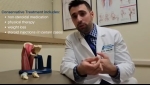
In this educational video, Dr. Ali H. Sobh from Michigan Orthopaedic Surgeons breaks down the basics of hip osteoarthritis, covering its causes, symptoms, and treatment options.
Here is a summary of what he discusses:
- Hip Anatomy: He explains that the hip is a ball-and-socket joint. The "ball" is the top of your thigh bone (femoral head) and the "socket" is part of your pelvis. Both are coated in a slippery layer of cartilage that acts as a protective cushion so the bones don't rub together.
- What Causes the Pain: As a person ages, this protective cartilage can wear away. When the bones begin to touch and rub against each other, it leads to the classic symptoms of arthritis: pain, inflammation, and limping.
- Conservative Management: For mild to moderate arthritis, treatment starts with non-surgical options. These include anti-inflammatory medications, physical therapy, weight loss, and steroid injections.
- Minimally Invasive Surgery: If non-surgical options stop working, a total hip replacement is considered. Dr. Sobh highlights a modern, muscle-sparing approach where surgeons use special tools to gently move muscles out of the way rather than cutting through them, which helps speed up recovery.
- The Procedure Itself: He details how the damaged bone and cartilage are removed. The pelvic socket is fitted with a titanium shell and a durable plastic liner. The damaged top of the thigh bone is replaced with a titanium stem topped with a smooth ceramic ball, creating a brand new, friction-free joint.