Increased rates of cementless TKA yielded negligible increases in early revision
As cementless fixation in total knee arthroplasty has increased in the U.S. since 2012, results presented here showed a small but significant increase in 1-year revision risk with this method in patients aged 65 years or older.
Source: Healio
Hip Replacement Dislocation
Normal hip joints have many surrounding structures that help to stabilize the hip joint. These structures include muscles, ligaments, and the normal bony structure of the hip joint. Together, these structures keep the ball (the femoral head) within the socket (the acetabulum).
Source: Verywell Health
Hip Labral Tear Causes, Symptoms, and Treatments
Athletics like ballet, football, hockey, soccer, and golf often lead to hip labral tears. All the causes in this list typically result in an anterior tear (damage to the cartilage in the front of the hip joint).
Source: Verywell Health
New technology, cost strategies continue to move robotic-assisted surgery forward
The combination of robotics and patient-specific instrumentation may create a parallel strategy for care. Vendor programs and care pathways may curb the cost of robotic-assisted surgery.
Source: Healio
Study finds surprising differences in knee injuries between men and women
One of the largest MRI-based studies comparing knee injuries between men and women reveals surprising differences in injury patterns based on gender and age. The findings, which can be used to improve risk assessment and develop early intervention strategies, will be presented today at the annual meeting of the Radiological Society of North America (RSNA).
Source: News Medical Life Sciences
Healthcare News

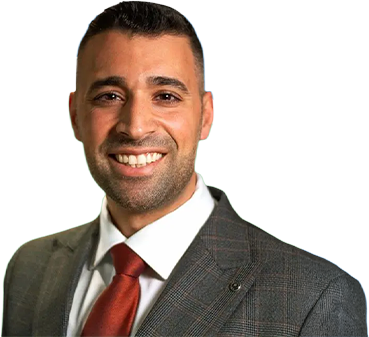
Healthcare News
from Dr. Sobh
Stay informed with the latest orthopedic insights and patient-focused health news from Dr. Sobh. This section highlights advances in joint care, musculoskeletal research, and expert commentary that help patients and healthcare professionals understand emerging trends and evidence in orthopedic medicine.
Royal Oak Office
30575 Woodward,
Avenue Royal Oak,
MI 48073
Office Hours:
Monday - Thursday 7:00 AM–5:00 PM
Friday - 7:00 AM–4:00 PM
Saturday & Sunday - Closed
Southfield Office
26025 Lahser Rd,
2nd Floor Southfield,
MI 48033
Office Hours:
Monday - Thursday 7:00 AM–5:00 PM
Friday - 7:00 AM–4:00 PM
Saturday & Sunday - Closed